
Automatically translated from Italian.
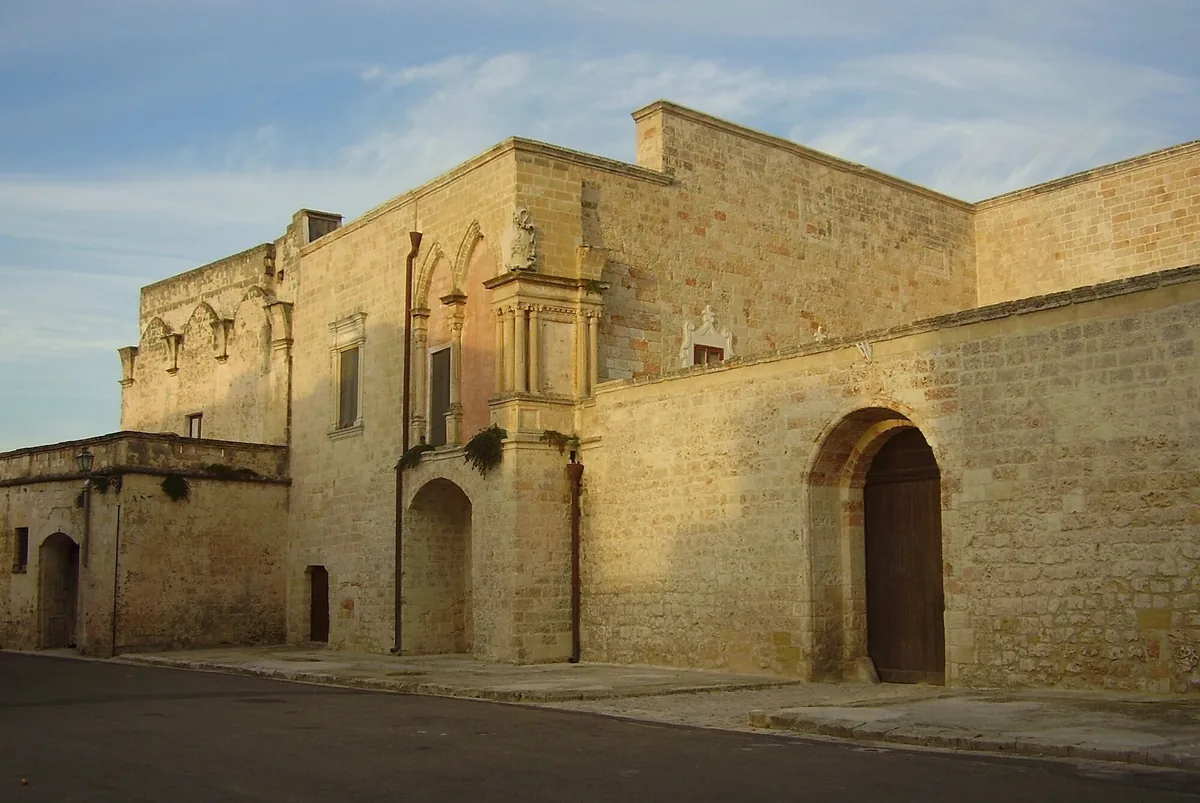
The Ducal Palace of Seclì was built around 1570 on the remains of a fortified structure and became the residence of the D’Amato family.\n\nThe building is developed over two floors with a small inner courtyard beyond the entrance portal. The ground-floor rooms were used as warehouses, also used as stables, water troughs and pantries. In the 16th century, the corner loggia was also constructed.\n\nFrom the same period is the chapel on the ground floor and the 18th-century staircase, which leads from the atrium to the upper floors. Here you can admire the frescoes of the so-called Hall of Illustrious Men, with the ceiling painted to simulate a balustrade, beyond which the sky opens with three angels and a cartouche. On the sides of the vault there are some mythological figures arranged in pairs and busts of Roman emperors.\n\nIn 1743, after the violent earthquake that struck Salento, the building was partially restored.
The story
For now this text is only available in Italian.
Il Palazzo ducale di Seclì, in via De Nicola 18, fu costruito intorno al 1570 sui resti di una struttura fortificata e divenne residenza della famiglia D'Amato 1,2. Si sviluppa su due piani con un piccolo cortile interno; il pianterreno era destinato a magazzini, stalle e dispense 1,10. Tra gli elementi principali ci sono la loggia angolare cinquecentesca, la cappella al pianterreno e la stanza degli uomini illustri con soffitto affrescato 1,4,5. Dopo il terremoto del 1743 fu in parte ristrutturato 1,2. Oggi è di proprietà comunale e, secondo il Comune, in restauro 2.
History
Intorno al 1570
Il palazzo è costruito sui resti di una struttura fortificata e diventa residenza della famiglia D'Amato. L'e-borghi parla di seconda metà del Cinquecento sopra una fortezza preesistente.1,2,3
XVI secolo
Ricostruzione e riorganizzazione del palazzo, con la loggia angolare e la cappella al pianterreno; CartApulia mette in relazione la loggia, forse attribuibile a Giovanni Maria Tarantino, con queste ristrutturazioni.1,4,5
1587
I duchi Guido D'Amato e Giulia Spinelli fondano il convento dei Frati Minori Osservanti, collegato al palazzo ducale da una strada lastricata; il convento è consegnato al Comune nel 1866.6
1692
Il Comune cita, tra le fonti sul palazzo, protocolli notarili del 1692 e il catasto onciario.2
1743
Dopo il violento terremoto che colpì il Salento (20 febbraio 1743 secondo il Comune) l'edificio è in parte ristrutturato; è settecentesca la scalinata dall'atrio ai piani superiori.1,2
1999
Un atto pubblicato nella Gazzetta Ufficiale del 12 marzo 1999 riporta tra gli interventi esaminati l'acquisto del Palazzo ducale da parte del Comune di Seclì, per 650.000.000 di lire, in ragione della particolare rilevanza storico-artistica del palazzo.7,8,9
Architecture and works
L'edificio ha due piani e un piccolo cortile interno oltre il portale; il pianterreno ospita ambienti di servizio (magazzini, stalle, abbeveratoi, dispense, cucine), il primo piano gli ambienti padronali e di rappresentanza 1,10. La loggia angolare, definita 'singolare' e elemento più importante del complesso, ha archi ogivali secondo il Comune 4,2. La cappella, a navata unica rettangolare, è al pianterreno 5. Nella stanza degli uomini illustri il soffitto dipinto simula una balaustra con cielo, tre angeli e un cartiglio; ai lati figure mitologiche a coppie e busti di imperatori romani 1. Il Comune cita gli stemmi D'Amato, Spinelli e De Costanzo 2.
Visiting
Curiosities
- Il sito salentosagreeventi.it registra un evento presso il luogo: Oktoberfest + Sagra della Carne Te Cavaddhru (3 ottobre 2026) 11.
Where sources disagree
Further reading
Sources (11)
The story is written only from these sources: the numbers in the text refer here. Last updated: October 21, 2026.
- 1.Regione Puglia, scheda del luogo (viaggiareinpuglia.it) · institutional
- 2.Palazzo Ducale — Comune di Seclì · institutional
- 3.Seclì — e-borghi · web
- 4.CartApulia (Regione): Palazzo Ducale - Loggia · institutional
- 5.CartApulia (Regione): Palazzo Ducale - Cappella · institutional
- 6.Convento dei Frati Minori Osservanti della Regola Francescana (Seclì) — FAI - I Luoghi del Cuore · institutional
- 7., Gazzetta Ufficiale della Repibblica Italiana 1999-03-12 n. 059_SO_053 (1999) — brano OCR · book
- 8., Gazzetta Ufficiale della Repibblica Italiana 1999-03-12 n. 059_SO_053 (1999) — brano OCR · book
- 9., Gazzetta Ufficiale della Repibblica Italiana 1999-03-12 n. 059_SO_053 (1999) — brani · book
- 10.CartApulia (Regione): Palazzo Ducale - area residenziale · institutional
- 11.salentosagreeventi.it: eventi nel luogo · institutional
Events nearby
In the coming days, within 15 km.
Beyond The Wall
Crafts and contemporary art dialogue in the spaces of Parabita.
Volare - Reading Workshop
Reading and dialogue sessions in Collepasso with writers and young readers for the Volare project.
Without a Care
Karaoke with Michele Veschi for a fun-filled musical evening.
OPEN+: Orientation to the World of Photography with Valentina Sergi and Giorgio Coen Cagli
Orientation meeting dedicated to photography with experts
Andrea Baccassino Show
Musical concert with Andrea Baccassino in Galatone's park
More places nearby
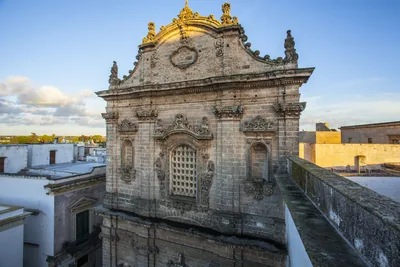 Churches and cryptsChiesa di San Sebastiano e San RoccoIn the heart of Galatone rises the church dedicated to Saint Sebastiano and
Saint Rocco, an elegant example of Baroque Architecture. Galatone 3.2 km away
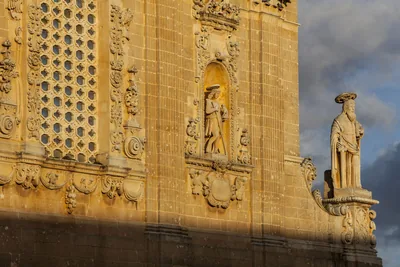 Churches and cryptsSantuario del Crocifisso della PietàBuilt in the late 17th century, the Sanctuary is an elegant Baroque place
of worship, a place of devotion and pilgrimage in memory of the miracles of
Crocifisso della Pietà Galatone 3.3 km away
- Museums and theatresGalatone Public LibraryHistorical library located in the heart of the old town of Salento. Galatone 3.4 km away
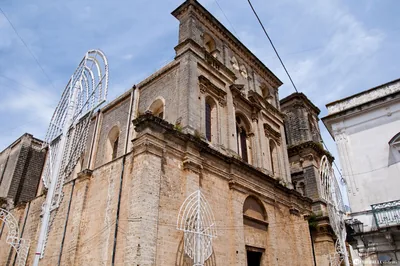 Churches and cryptsMother Church or Collegiate Church of the AssumptionMajestic and imposing, the 16th century Collegiate Church of the Assunta is
the most important religious building in the city of Galatone. Galatone 3.4 km away
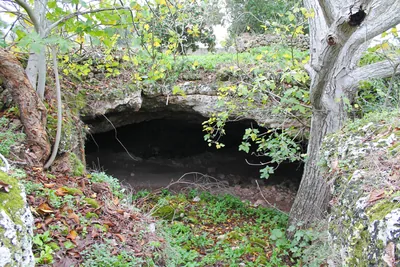 Churches and cryptsThe cave settlement of TabelleLocated near the Canale dell’Asso, in the territory of Galatone, the cave
settlement of Tabelle represents a small ancient world made up of small
churches and ancient masserie. Galatone 3.7 km away
- Museums and theatresThe Ecomuseum of Neviano’ Sierras landscapesThe sierras, Murgia’s uttermost territorial ramification, are the heart of the Ecomuseum of Neviano which you can discover through events and educational activities. Neviano 4 km away