
Automatically translated from Italian.
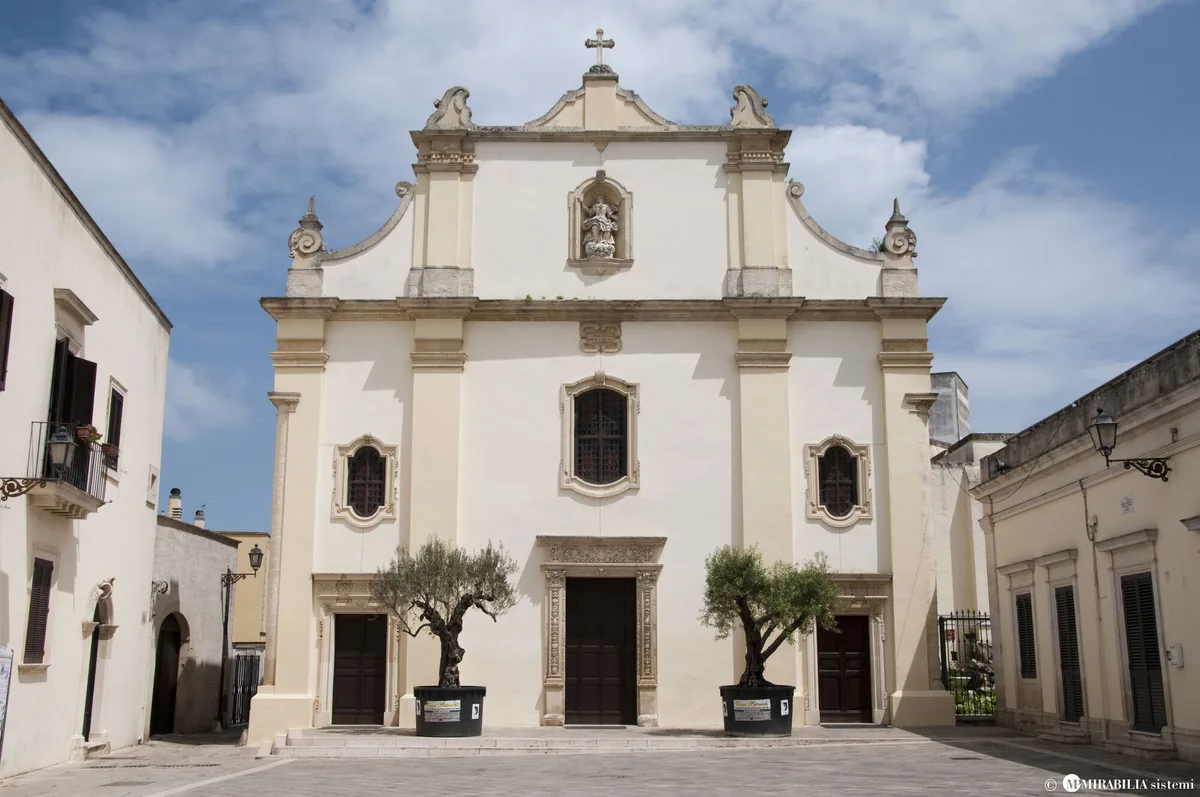
The Church of Maria SS. Assunta in Melendugno dates back to the 16th century and is located in the charming Piazza Monsignor Durante.
It features a two-story facade built in the 18th century. The finely carved portal of the original 1575 building remains.
Inside, you can admire 17th-century altars such as that of the Madonna del Rosario, the work of Aprile Petrachi who also created the valuable wooden Crucifix. The painted Leccese stone altarpiece depicting The Last Supper is part of the ancient main altar, and the 16th-century sacristy door is also noteworthy.
The wooden tabernacle in the chapel of the Blessed Sacrament is also of remarkable craftsmanship. It comes from the destroyed main altar and was crafted in 1711 by the Melendugnese cabinetmaker Aprile Petrachi.
The story
For now this text is only available in Italian.
La chiesa di Maria SS. Assunta è la parrocchiale di Melendugno e sorge in piazza Monsignor Durante 1,3. Fu costruita nel XVI secolo come edificio a navata unica; la data è indicata come 1575 dalla scheda regionale e da Wikipedia, mentre BeWeB indica l'inizio nel 1501 1,2,3. Nel Seicento fu aggiunto il campanile (1696) e nel Settecento la chiesa fu ampliata a tre navate, con facciata a due ordini ultimata nel 1774 4,2,3. Del primo edificio restano il portale e le colonne angolari reimpiegate 1,5. L'interno custodisce altari e opere dell'ebanista e scalpellino melendugnese Aprile Petrachi 1,6.
History
1501 - 1575uncertain
Costruzione del primo edificio a una sola navata: BeWeB indica l'inizio nel 1501; la scheda regionale e Wikipedia parlano del 1575 circa.1,2,3
1696
Il campanile è aggiunto sul lato settentrionale del corpo principale e completato; sui quattro lati della torre sono presenti memorie epigrafiche.4,2,3
1711
Aprile Petrachi realizza il tabernacolo ligneo, oggi nel cappellone del SS. Sacramento ma proveniente dal distrutto altare maggiore.1
XVIII secolo (dal 1701)
Ampio rifacimento con elevazione di due navate laterali, che trasforma l'edificio a tre navate; l'altare del Santissimo Sacramento è costruito nel 1737.2,3
1774
Rielaborazione del prospetto a due ordini, ultimata in quell'anno.2,3
1899
1962
Adeguamento liturgico postconciliare con l'aggiunta dell'ambone e dell'altare rivolto all'assemblea.3
2006
Viene riportato alla luce un affresco seicentesco della Vergine del Rosario.3
Dates with an empty square are uncertain: few or unverified sources report them.
Architecture and works
La chiesa ha pianta a croce latina; originariamente era a navata unica e conserva tracce dell'impianto antico nelle colonne angolari del prospetto principale, reimpiegate, e nel portale 5. La facciata, rivolta a occidente, è divisa in due ordini da una cornice marcapiano: sotto i tre portali architravati con finestre, sopra una nicchia con la Vergine e un coronamento mistilineo 2,3. Il portale cinquecentesco finemente intagliato è ciò che resta dell'edificio originale 1. L'interno, a tre navate, ha dieci altari laterali in marmo e pietra leccese, con tele e statue in cartapesta di autori locali 2,3. Aprile Petrachi realizzò l'altare della Madonna del Rosario, il Crocifisso ligneo, il paliotto in pietra leccese dipinta con l'Ultima Cena e il tabernacolo ligneo del 1711 1; è noto anche per i lavori nella chiesa del Ss. Crocefisso di Galatone 6. Tra le altre opere: il dipinto con Sant'Antonio Abate (1634), l'acquasantiera (1783) e la pala della Natività 3. Il campanile ha base quadrata e cella con monofore a tutto sesto 3.
Visiting
Indirizzo: Piazza Monsignor Durante 11, 73026 Melendugno 1. Le fonti non riportano orari né informazioni sull'accessibilità.
Curiosities
- La chiesa compare nel catalogo FAI «I Luoghi del Cuore» sotto la voce del campanile della chiesa madre 6.
Where sources disagree
On these points the sources give different versions.
Further reading
Sources (7)
The story is written only from these sources: the numbers in the text refer here. Last updated: October 21, 2026.
- 1.Regione Puglia, scheda del luogo (viaggiareinpuglia.it) · institutional
- 2.BeWeB (CEI): Chiesa di Maria Santissima Assunta · institutional
- 3.Wikipedia (it): Chiesa di Maria Santissima Assunta (Melendugno) · encyclopedia
- 4.CartApulia (Regione): Chiesa parrocchiale di Santa Maria Assunta - campanile (età moderna e contemporanea) · institutional
- 5.CartApulia (Regione): Chiesa parrocchiale di Santa Maria Assunta - chiesa (età moderna e contemporanea) · institutional
- 6.FAI I Luoghi del Cuore: CHIESA MADRE DI MARIA SS. ASSUNTA · web
- 7.Libri citati dalle fonti web · book
Events nearby
In the coming days, within 15 km.
Karaoke
Karaoke night with Sandro Stefanelli at Antichi Sapori.
Mercoledì Latino
Salsa, bachata and kizomba night in Melpignano
Keys to the Future - Female Leadership
A female empowerment event with talks by leaders, live music and networking. Free entry.

Keys for the Future - Female Leadership: Shaping Tomorrow's Leaders
Female leadership: a day to shape tomorrow's leaders.
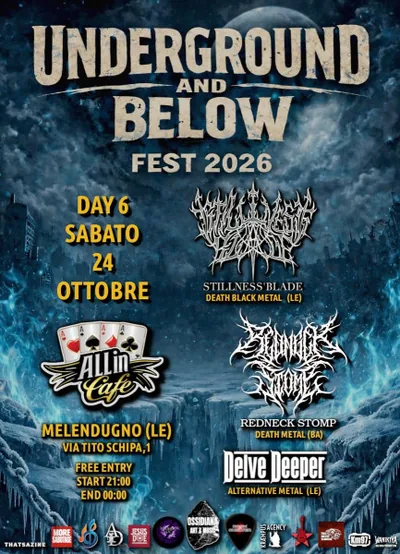
Underground And Below Fest 2026 - Day 6
Rock and metal festival with three bands in concert
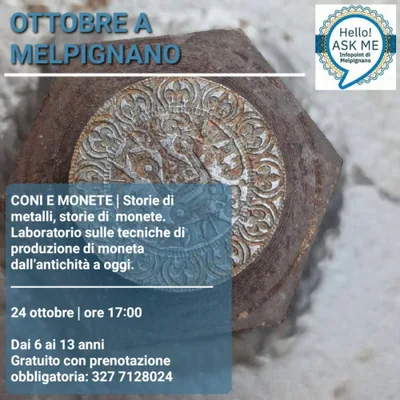
Cones and Coins. Stories of Metals, Stories of Coins
Discover ancient coin-making techniques and create your own coin
More places nearby
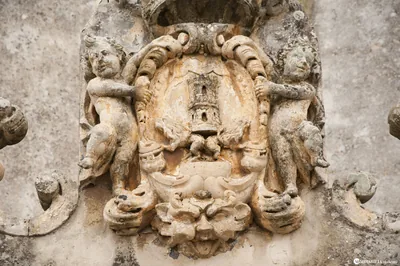 Castles, towers and palacesBaronial Palace D’AmelyBorn as a defense tower from Saracen attacks, the Baronial Palace D 'Amely
became the noble and elegant home of one of the area's historic families. Melendugno very close
 Museums and theatresCivic Museum of Natural History of Salento and Provincial Faunistic ObservatoryA wide variety of fauna specimens, numerous sections and an veterinary
clinic for wild animals make the Civic Museum of Natural History of
Calimera a very special place in the heart of Grecìa. Calimera 3.9 km away
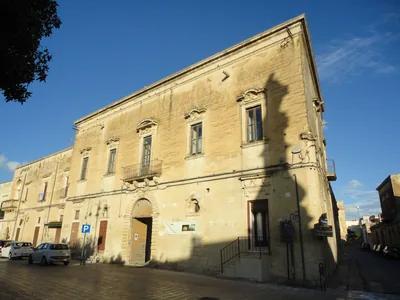 Castles, towers and palacesBaronial PalaceThe 18th-century Baronial Palace overlooks Piazza Vittorio Veneto. Vernole 4.1 km away
- ArchaeologyPietra forataIn the ancient Church of San Vito, every Easter Monday, there is a celebration around the mysterious holed stone, a symbol of fertility and rebirth. Calimera 4.4 km away
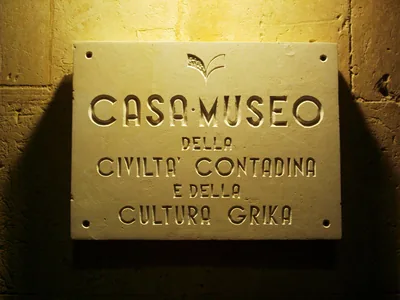 Museums and theatresHouse-Museum of Peasant Civilization and Griko CultureThemed rooms, objects of rural culture, and archeological testimonies
abound in the halls of the House-museum of Peasant Civilization and Grika
Culture in Calimera. Calimera 5.1 km away
- ArchaeologyMenhir della LuceThe mysterious menhir casts its long shadow on a small square in the town, wrapped with a special and everlasting charm. Castri di Lecce 6.3 km away