
Automatically translated from Italian.
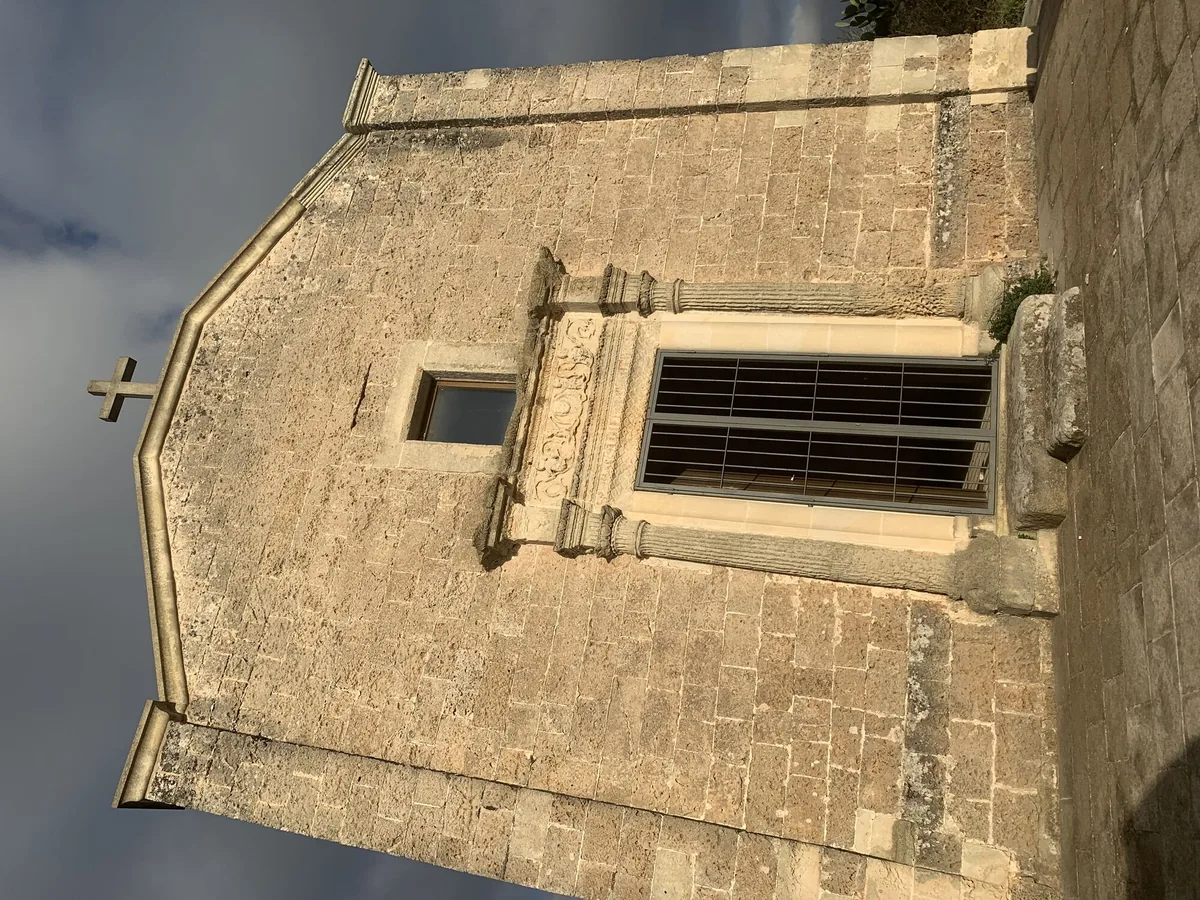
The Cappella della Madonna dei Farauli is located outside the village along the old country road leading to Martignano. The name is not the original one, but that of the rural contrada where the chapel is situated. It might perhaps be the chapel of Santa Maria della Neve, mentioned in pastoral visits among those located extra moenia, i.e., outside the town walls.\n\nOn the Renaissance architrave of the facade, remnants of a Greek inscription can be seen. The interior is almost entirely frescoed, but the frescoes are in poor condition and barely legible. The front altar consists of a niche with the upper part shaped like a shell, depicting the Virgin with the Child. On the right and left walls are two more altars. On the left altar, the Virgin is enthroned with the Child in her arms. Other traces of frescoes are visible inside, especially next to the entrance door.\n\nOn the exterior of the chapel, numerous Greek and Latin crosses are visible, carved into the soft tuff stones from which it is built.
Events nearby
In the coming days, within 15 km.
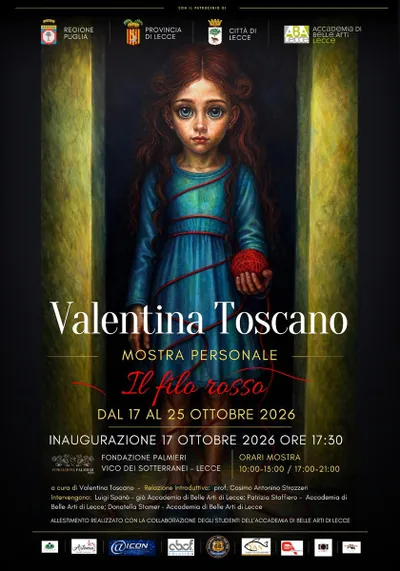
The Red Thread - Solo Exhibition by Valentina Toscano
Solo exhibition by Valentina Toscano from October 17 to 25
Mercoledì Latino
Salsa, bachata and kizomba night in Melpignano
OPEN+: Orientation to the World of Photography with Valentina Sergi and Giorgio Coen Cagli
Orientation meeting dedicated to photography with experts
Karaoke
Karaoke night with Sandro Stefanelli at Antichi Sapori.
Jazz & Jam
Jazz concerts and jam sessions every Wednesday in Lecce
Without a Care
Karaoke with Michele Veschi for a fun-filled musical evening.
More places nearby
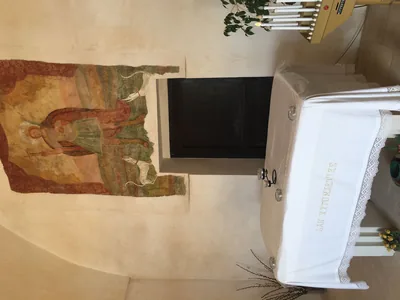 Churches and cryptsSan Vito ChapelMedieval chapel entirely rebuilt in 600. Sternatia very close
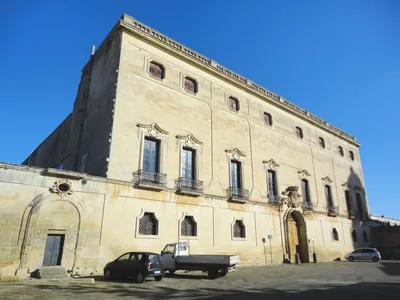 Castles, towers and palacesPalazzo GranafeiPalace Granafei rose on the remains of a Byzantine castle, the ancient
headquarters of the city of Otranto. Sternatia very close
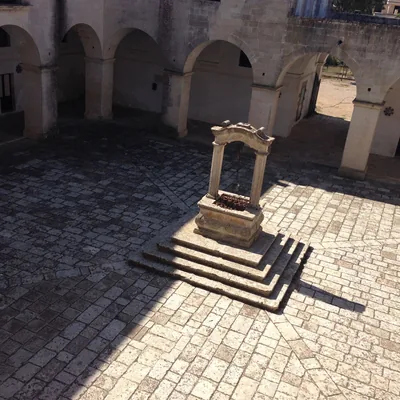 Churches and cryptsDominican ConventConvent complex founded in the fifteenth century and rebuilt in 700. Sternatia very close
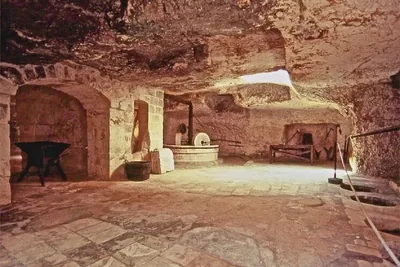 Farmhouses and oil millsThe ‘’Granafei’’ underground oil millOnce owned by the noble Granafei family, Sternatia’s oil mill of the same
name was part of a network of 19 underground oil mills connected to each
other by a series of tunnels. Sternatia very close
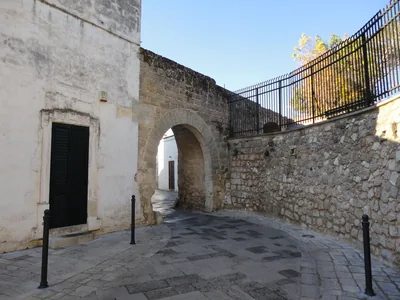 ArchaeologyPorta Filia and city wallsPorta Filia and the ruins of the ancient city walls are what is left in
Sternatia dating back to the byzantine period and over the centuries the
ancient entrance has become a symbol of the town. Sternatia very close
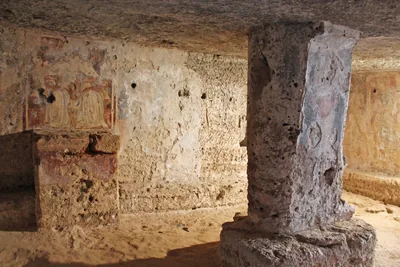 Churches and cryptsThe Crypt of San SebastianoThe Crypt of San Sebastiano is an age-old Basilian settlement on
Sternatia’s outskirts. Sternatia very close