
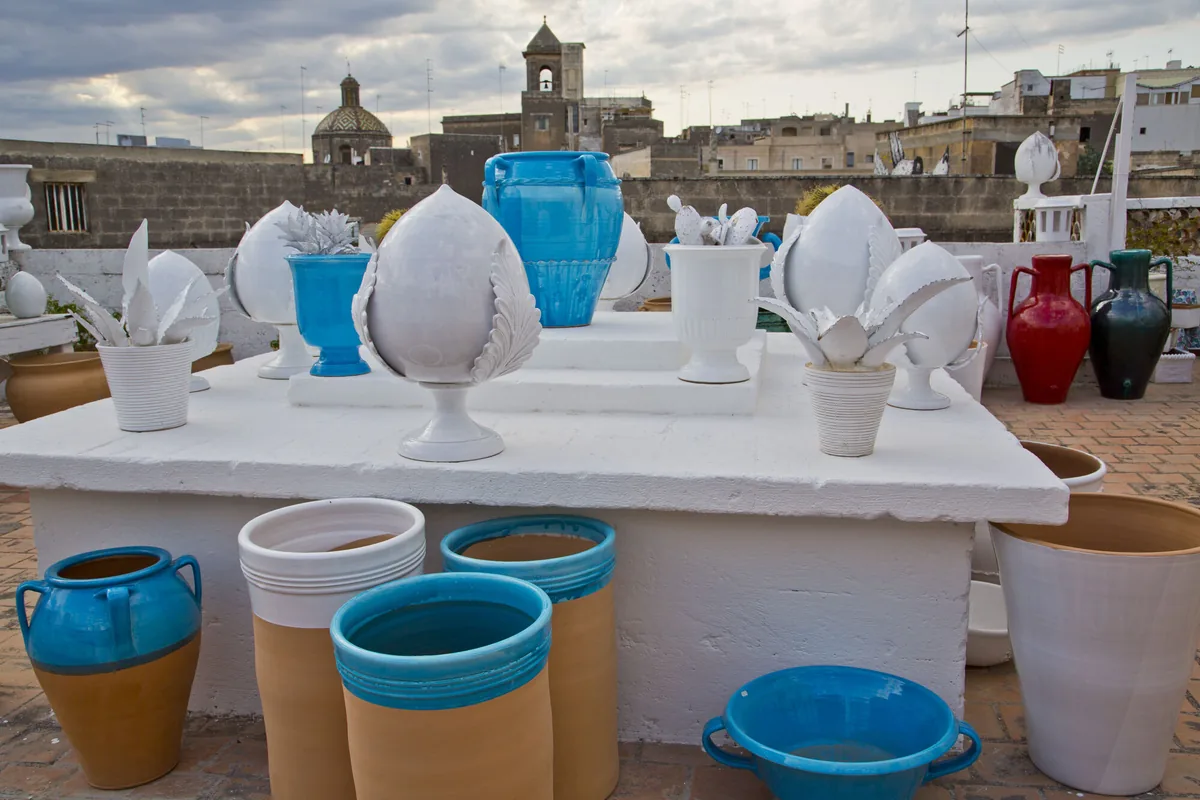
The historical Ceramics Borough of Grottaglie takes the lower side of the town, close to the Episcopio Castle.
Along its picturesque alleyways, a steady stretch of around 50 ceramics workshops welcome visitors: some of them are entirely carved from the rocks, still using ancient furnaces.
The traditional art of shaping clay dates back to the Middle Ages, and is still alive today passing on across generations. Each artisan’s workshop hosts demonstrations on how to model raw ceramics and, at the same time, the option to buy the hand made piece.
The view from atop the Ceramics Borough is enchanting, as all workshops’ terraces and balconies showcase the best of their production, making for a surprising triumph of colors and contrasts, highlighting the typical symbols of Grottaglie, such as the rooster, the characteristic knights, and the multicolored demoiselles called “pupe”.
Events nearby
In the coming days, within 15 km.
Murrivato in Concert
Murrivato performs with popular Salentine pizzica
Il Naso
Theatrical performance by Ippolito Chiarello at the Teatro Comunale.
More places nearby
- Farmhouses and oil millsPinca underground olive oil mill and cavesUnderground olive oil mill and caves dug out of the rock, now used as ceramics ateliers. Grottaglie very close
- Farmhouses and oil millsFrantoio Ipogeo Bottega DormienteNestled in the lower part of the Ceramics Quarter, the Frantoio Ipogeo Bottega Dormiente is the best-preserved trappeto in Grottaglie. Grottaglie very close
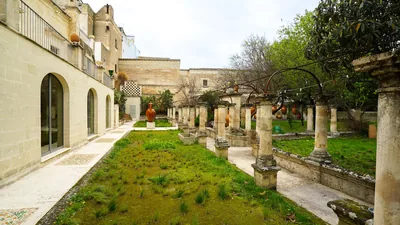 Castles, towers and palacesCasa VestitaThe Casa Vestita, in the heart of Grottaglie's Ceramics District, hosts
temporary exhibitions dedicated to the culture and art of ceramics. Grottaglie very close
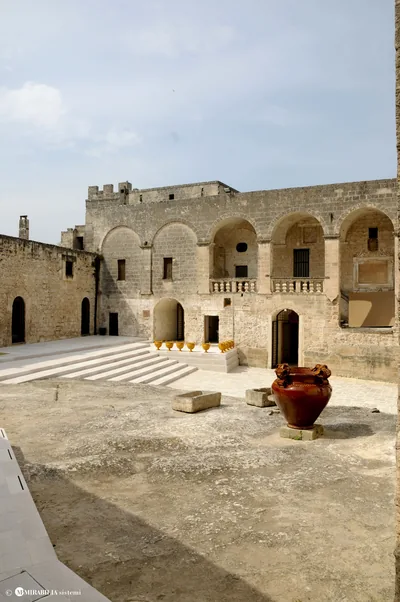 Castles, towers and palacesEpiscopal CastleOnce the residence of Taranto's bishops, today the Episcopal Castle of
Grottaglie houses the museum of ceramics, the hallmark of local ceramic
craftsmanship. Grottaglie very close
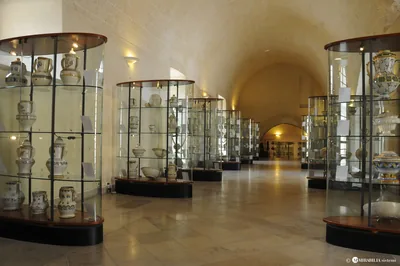 Museums and theatresMuseum of CeramicsIn the Episcopio Castle of Grottaglie, the Ceramics Museum with over 400
arifacts narrates an ancient tradition through majolica, nativity scenes,
and archeological finds. Grottaglie very close
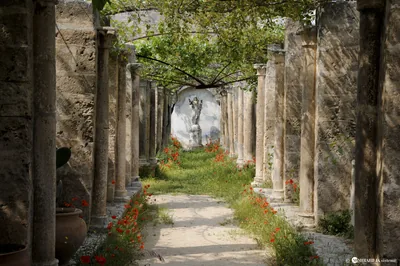 Nature and gardensMediterranean Garden “Giacomo D’Atri” of the Episcopal CastleLocated inside the Episcopal Castle, the Mediterranean Garden is inspired
by the monastic hortus conclusus of medieval origin. Grottaglie very close